
 Safeguarding
 Find a church
 Find clergy
 Donate
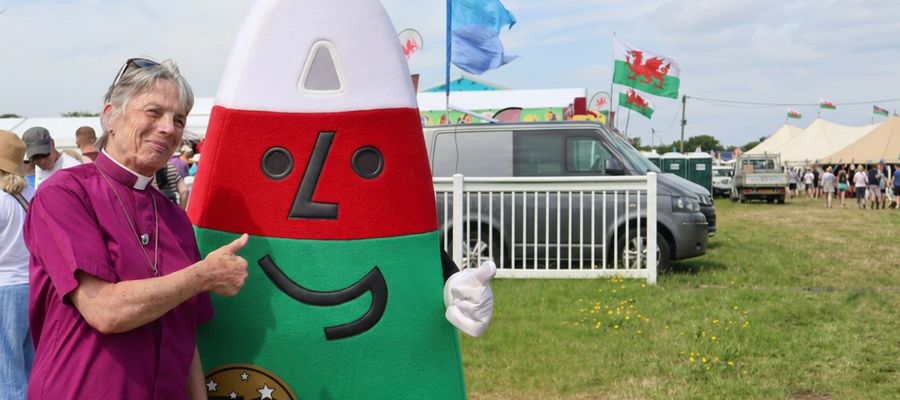
The Welsh Language in the Church in Wales
Like many other countries for whom bilingualism (or multilingualism) is an important aspect of daily life and national identity, Wales possesses special linguistic and cultural treasures and, as a Church, we rejoice in such richness.
The Welsh language is alive and well in the Church in Wales as Christians across the land worship, witness and serve God and their communities. Throughout Wales, baptisms, marriages and funerals are conducted in Welsh, English and bilingually. You can learn more about these ‘life events’ here.
Our hope is to continue to develop our provision so that our mission and ministry in Welsh – as in English – may be strengthened and be given new opportunities to flourish.
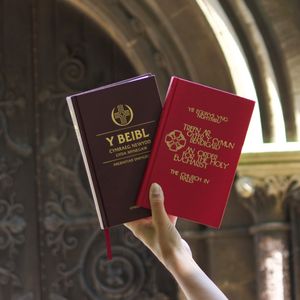
Services read in Welsh was produced to help Welsh learners with their services.
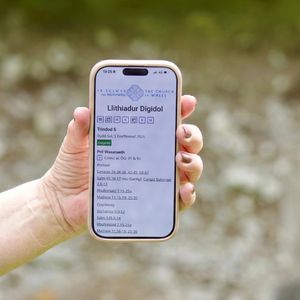
A fully bilingual digital lectionary that provides easy access to daily collects, readings, and prayers.
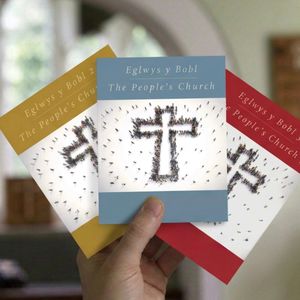
A bilingual book of Bible reflections for every Sunday of the Church year.

A series of Welsh-language webinars exploring work to develop the Welsh language and its associated literature and culture.
A course in partnership with Bangor Diocese to help learners experience church services through the medium of Welsh.
Explore Cytûn's website to learn more about faith in Wales.
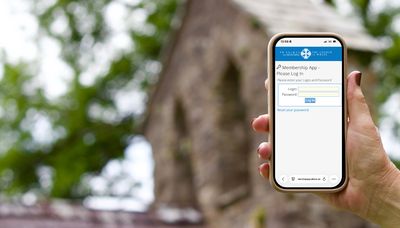
Ap Aelodaeth (Membership App)
The Welsh language version of the Membership app is now live. This is an important step in improving accessibility and ensuring our digital services are available in both of our national languages. Users can now switch the app to Welsh and access the same features and content as the English version.
Adnoddau Eraill (Other Resources)
The Church in Wales’ liturgies are published in both Welsh and English and a host of other resources are also available, many of them published by Cyngor Ysgolion Sul (the Sunday Schools’ Council). In addition to the Council’s main website the following are also offered:
- gair.cymru which provides an array of Welsh Christian resources which can be downloaded for free;
- beibl.net, namely the entire Bible in simple colloquial Welsh;
- gobaith.cymru, which presents a large selection of hymns and worship songs to be downloaded for free;
- Cristnogaeth.cymru, which offers much information about the Christian faith together with many interesting and useful links.
Rhan o'r hanes (Some History)
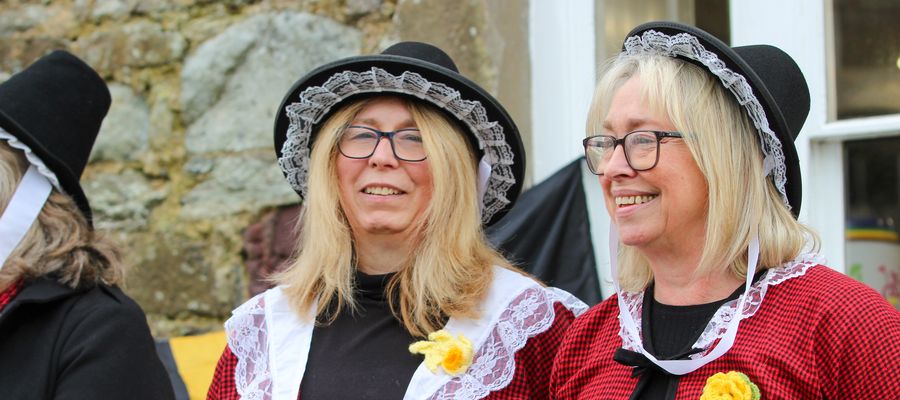
Since William Salesbury’s translation of the New Testament and Bishop William Morgan’s celebrated translation of the entire Bible in 1588 the people of this land have been able to read God’s Word in Welsh. Moreover, since Salesbury’s translation of the Book of Common Prayer (also in 1567) there have been official liturgies in Welsh to express the faith and praise of God’s people. Throughout the centuries which followed, the Welsh language has been an inherent aspect of the Church’s life as generations have worshipped, witnessed and practised their faith in their mother tongue. Today, a small number of churches within the Church in Wales operate entirely through the medium of Welsh whilst many others operate bilingually, whilst yet others are entirely English-speaking. Changes in the patterns of Welsh speaking and increases in Welsh-medium education offer our nation new opportunities and challenges and the Church in Wales wishes to play a prominent role in the flourishing of the language. Our hope is for a Church which witnesses faithfully, joyfully and confidently in both Welsh and English so that all may hear “in their own languages ... about God’s deeds of power” (cf. Acts 2:11).
Newyddion

Archbishop Cherry Vann enjoyed a busy, varied, and memorable day on her very first visit to the National …
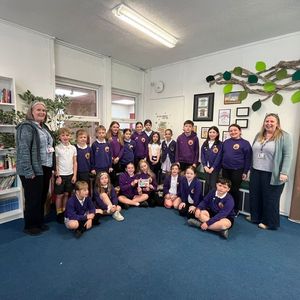
Bryncoch Church in Wales Primary School is celebrating a significant achievement after being awarded the Silver Cymraeg Campus …
The Diocese of Bangor has again been recognised by the Welsh Language Commissioner for its commitment to promoting …