
 Safeguarding
 Find a church
 Find clergy
 Donate
About this project
This partnership between the Church in Wales and the Benefact Trust provides grants to support churches, cathedrals and church halls on their journey to Net Zero.
The project runs over a period of three years, from Summer 2026 to Summer 2029.
A total fund of £600,000 is available.
Dioceses must nominate projects that they consider suitable for a grant.
Grants available
Development grants:Up to £5,000
Development grants are aimed at churches, cathedrals and church halls who wish to:
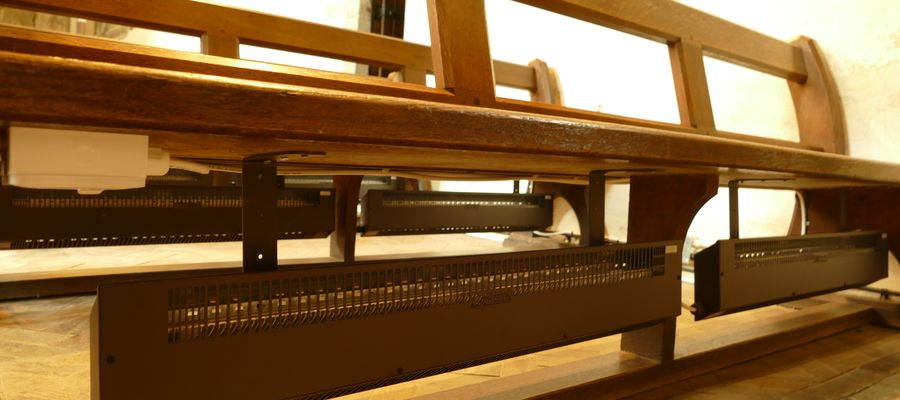
- trial technology in part of the church building e.g. heated pew cushions or panel infrared radiators
- undertake feasibility studies to assess the suitability of the church for low carbon technology
- make basic upgrades such as LEDs/insulation
Development grant nominations and applications are reviewed continually throughout the year.
Demonstrator grants: Up to £45,000
Demonstrator grants are aimed at churches, cathedrals and church halls who wish to:
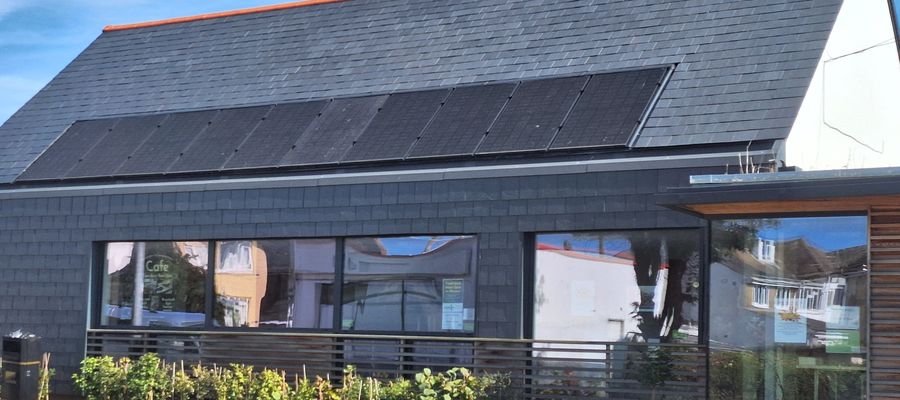
- implement low carbon technology such as heat pumps, solar panels and batteries
- reduce carbon emissions via enhanced energy efficiency measures
Each demonstrator grant should not exceed 50% of the overall project costs. In exceptional cases, a grant may be considered to cover up to 75% of the costs of the project.
Demonstrator grant nominations and applications are reviewed on a quarterly basis.
Who can apply
Who can apply
Grants are open to all Church in Wales churches, cathedrals, and church halls (listed or unlisted) which are open for regular worship and/or activities. They must meet the grant criteria and have been nominated by their diocese.
Dioceses can nominate projects that they consider suitable for either of the two grant streams.
Please speak to your diocesan office to find out more about the project if you are interested in being considered for nomination.
How it works
How it works
- Dioceses nominate a church, cathedral or church hall for funding. The Representative Body Net Zero Team reviews the proposed project. If the project is deemed suitable, nominee church, cathedral or church hall is invited to complete an application form. The Climate Change Hub then reviews the application before the Representative Body Finance Committee makes the final decision on funding.
- Applicants are told whether their application has been successful. If the application is approved, a meeting is arranged to explain the next steps. Once the contracts have been signed, the funding will be sent to the Diocese for release to the project. The funded work can then begin.
- Recipients of funding agree to monitor their project throughout and review its progress regularly. Grant recipients need to record information such as how the project is carried out, energy use before and after the work and the wider benefits and impact of the project. This information will be used to help us understand what difference the funding has made.
News and case studies